Introduction
Medical Equipment plays an important role in modern healthcare. Hospitals, clinics, diagnostic centers, nursing homes, and laboratories depend on different types of equipment for diagnosis, treatment, monitoring, and patient care. The right equipment can help healthcare professionals perform their work more efficiently while supporting accurate and timely services. In India, the healthcare sector continues to develop, increasing the need for dependable and practical medical technology. Government information also recognizes medical equipment as an important part of healthcare delivery, particularly for early diagnosis and prompt treatment.
Why Quality Medical Equipment Matters
Healthcare professionals need equipment that is suitable for their daily requirements and can perform consistently. Purchasing equipment should not be based only on price. Quality, functionality, ease of use, maintenance, and after-sales support are also important factors when selecting equipment for a healthcare facility.
Reliable equipment can help healthcare organizations in several ways:
- Support accurate diagnosis and monitoring
- Improve workflow and operational efficiency
- Provide better support for patient care
- Reduce unnecessary equipment downtime
- Help healthcare staff perform routine procedures more effectively
- Support long-term value for hospitals and clinics
Proper maintenance is equally important. The National Health Mission highlights preventive maintenance, corrective maintenance, calibration, and user training as important elements of biomedical equipment management.
Types of Medical Equipment Used in Healthcare
Different healthcare facilities require different equipment depending on their services and patient needs. Some common categories include:
1. Diagnostic Equipment
Diagnostic equipment is used to help healthcare professionals examine and identify medical conditions. Depending on the facility, this may include equipment used for imaging, patient monitoring, laboratory testing, and other diagnostic procedures.
2. Hospital and Patient Care Equipment
Hospitals require equipment that supports patients and healthcare workers during routine care. Patient care products can include hospital beds, examination tables, stretchers, trolleys, and other essential equipment designed for healthcare environments.
3. Emergency and Critical Care Equipment
Emergency departments and critical care units require dependable equipment because healthcare professionals often need to respond quickly. Equipment used in these areas should be selected according to the facility's clinical requirements, available space, staff training, and maintenance capabilities.
4. Laboratory Equipment
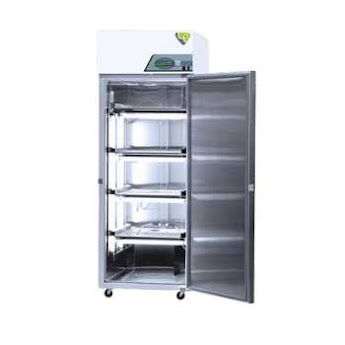
Laboratories depend on specialized equipment for testing, analysis, and research. Choosing suitable laboratory equipment can help create an organized and efficient working environment while supporting reliable laboratory processes.
How to Choose the Right Equipment
Selecting medical equipment requires careful consideration. Healthcare organizations should first understand what they actually need rather than purchasing equipment simply because it has advanced features.
Important factors include:
- Quality: Check the product's construction, specifications, and intended application.
- Usability: Equipment should be practical and easy for trained staff to operate.
- Maintenance: Consider preventive maintenance, servicing, calibration, and availability of support.
- Durability: Equipment used regularly should be suitable for the expected workload.
- Safety: Healthcare facilities should consider relevant safety and regulatory requirements.
- After-sales support: Technical assistance can be important when equipment requires installation, servicing, or troubleshooting.
- Total cost: Consider not only the purchase price but also installation, maintenance, accessories, and operating costs.
Price, quality, and after-sales service are recognized as major considerations when purchasing medical equipment in the Indian healthcare market.
Esporti-Impex for Medical Equipment
Esporti-Impex focuses on providing healthcare-related equipment for organizations looking for practical solutions for medical environments. A reliable supplier can make the procurement process easier by helping buyers identify equipment according to their specific requirements.
When purchasing equipment, healthcare organizations should communicate their application, expected workload, required specifications, available space, and service expectations. This allows the supplier and buyer to have a clearer understanding of what type of equipment is appropriate for the facility.
For hospitals, clinics, diagnostic centers, and other healthcare organizations, choosing the right supplier is not simply about completing a purchase. It is also about finding equipment that can provide dependable service throughout its expected working life.
The Importance of Maintenance
Even high-quality equipment requires proper care. Regular inspection, cleaning, calibration, preventive maintenance, and timely servicing can help maintain equipment performance. Poor maintenance can result in equipment downtime and unnecessary operational costs.
Healthcare facilities should therefore maintain equipment records, follow manufacturer recommendations, train relevant users, and address technical problems promptly. Effective equipment management can help improve availability and extend the useful life of healthcare assets.
Conclusion
Medical equipment is an essential part of modern healthcare infrastructure. From diagnosis and monitoring to treatment and patient care, different types of equipment support healthcare professionals throughout the patient-care process. However, selecting the right product requires more than comparing prices. Quality, safety, usability, durability, maintenance, and after-sales support should all be considered.
Esporti-Impex aims to support healthcare organizations with equipment solutions suited to different medical requirements. By understanding their actual needs and choosing equipment carefully, hospitals, clinics, and other healthcare facilities can make more informed purchasing decisions and create a dependable environment for healthcare services.
Frequently Asked Questions
Q1. Why is medical equipment important?
Medical equipment supports healthcare professionals in diagnosis, treatment, monitoring, and patient care. It is an important component of healthcare service delivery.
Q2. What should hospitals consider before buying equipment?
Hospitals should consider quality, specifications, safety, usability, durability, maintenance requirements, warranty, after-sales support, and total operating cost.
Q3. Is maintenance important for medical equipment?
Yes. Regular preventive maintenance, calibration, servicing, and proper user training can help keep equipment functional and reliable.
Q4. Who can use medical equipment?
Medical equipment is designed for different healthcare applications. Its use should be handled by appropriately trained healthcare professionals according to the equipment's intended purpose and applicable requirements.
Q5. Why should buyers consider after-sales support?
Technical support can be valuable for installation, maintenance, troubleshooting, calibration, and reducing equipment downtime during its service life.


Comments
Post a Comment