Healthcare is an area where quality, reliability, and proper equipment matter every day. From hospitals and clinics to diagnostic centres and laboratories, different types of Medical Equipment are required to support doctors, nurses, technicians, and other healthcare professionals. The right equipment can make routine tasks easier, improve efficiency, and support accurate diagnosis, monitoring, treatment, and patient care.
As healthcare facilities continue to develop, the demand for dependable and practical equipment is also increasing. Esporti-Impex focuses on providing healthcare-related products designed to meet the varied requirements of hospitals, laboratories, clinics, and other medical facilities.
What Is Medical Equipment?
Medical equipment includes instruments, devices, machines, and specialised products used for healthcare purposes. Depending on their application, these products can assist with diagnosis, patient monitoring, treatment, laboratory testing, sterilisation, storage, and general patient care.
The equipment required by a healthcare facility can vary depending on its size, department, services, and patient requirements. A small clinic may need basic diagnostic and monitoring products, while a large hospital can require specialised equipment for intensive care, operation theatres, laboratories, radiology, and other departments.
Different Types of Medical Equipment
There is a wide range of equipment used across the healthcare industry. Some common categories include:
1. Diagnostic Equipment
Diagnostic equipment helps healthcare professionals examine patients and identify possible health conditions.
Depending on the facility, this may include products such as:
- Blood pressure monitors
- Thermometers
- ECG machines
- Pulse oximeters
- Ultrasound systems
- X-ray equipment
- Other diagnostic instruments
These products support healthcare professionals during routine examinations and diagnostic procedures.
2. Patient Monitoring Equipment
Monitoring equipment is important for keeping track of a patient's vital signs and condition. Hospitals may use patient monitors, pulse oximeters, ECG equipment, and other monitoring devices in wards, emergency departments, and intensive care areas.
Regular monitoring allows healthcare professionals to observe changes in a patient's condition and respond when necessary.
3. Laboratory Equipment
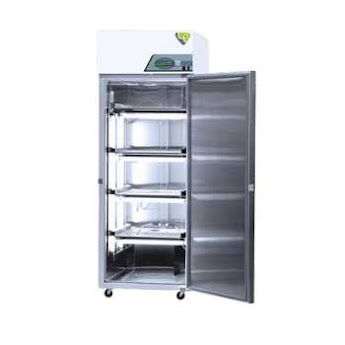
Laboratories require specialised equipment for examining blood, urine, tissue, and other samples. Common laboratory products include microscopes, centrifuges, analyzers, incubators, freezers, and other testing equipment.
The correct laboratory setup depends on the type of testing and services provided by the facility.
4. Sterilisation Equipment
Sterilisation is an important part of maintaining appropriate hygiene and safety in healthcare environments. Autoclaves and other sterilisation equipment are commonly used for suitable reusable medical and laboratory items.
Proper sterilisation practices can help healthcare facilities maintain a cleaner working environment and support safe procedures.
5. Hospital and Patient-Care Equipment
Healthcare facilities also need equipment that supports everyday patient care and hospital operations. This can include:
- Hospital beds
- Examination tables
- Stretcher trolleys
- Medical trolleys
- Patient chairs
- Storage equipment
- Operation theatre equipment
These products may not directly diagnose or treat a condition, but they play an important role in the smooth functioning of healthcare facilities.
Why Choosing the Right Medical Equipment Matters
Purchasing medical equipment is not simply about selecting a product based on appearance or price. Healthcare organisations should consider whether the equipment is suitable for the intended application.
Some important factors include:
- Quality: Equipment should be made for its intended healthcare application.
- Functionality: The product should provide the features required by the users.
- Durability: Regular healthcare use requires products that can handle everyday operation.
- Ease of use: Simple and practical equipment can make daily work more convenient.
- Maintenance: Availability of appropriate maintenance and support should be considered.
- Safety: Equipment should be selected and used according to applicable requirements and instructions.
In India, medical devices are regulated under the Drugs & Cosmetics Act, 1940 and Medical Devices Rules, 2017, making regulatory considerations an important part of medical-device procurement.
Choosing a Reliable Medical Equipment Supplier
Healthcare facilities should take time to understand their actual requirements before purchasing equipment. Instead of selecting products only because they are inexpensive, buyers should compare specifications, intended applications, quality, maintenance requirements, and supplier support.
Esporti-Impex provides a range of healthcare and medical-related products for different requirements. A dependable supplier can make the procurement process easier by helping customers identify products that are appropriate for their specific applications.
Whether the requirement is related to patient care, laboratory work, sterilisation, storage, or hospital operations, selecting suitable equipment can contribute to a more organised and efficient healthcare environment.
The Future of Healthcare Equipment
Healthcare technology continues to develop, and medical equipment is becoming increasingly specialised. Modern healthcare facilities are looking for products that combine functionality, reliability, and practical design.
At the same time, hospitals and clinics need to consider their actual operational requirements rather than simply choosing the most advanced product available. The best equipment is ultimately the equipment that suits the facility's application, users, workflow, and budget.
Conclusion
Good healthcare depends on many factors, and reliable Medical Equipment is an important part of that system. From basic diagnostic devices and patient monitoring products to laboratory, sterilisation, and hospital equipment, every category serves a specific purpose.
For hospitals, clinics, laboratories, and healthcare organisations, careful product selection can support better workflow and dependable day-to-day operations. With a focus on quality, suitability, safety, and practical requirements, organisations can make more informed purchasing decisions. Esporti-Impex aims to support healthcare facilities with products suited to a variety of medical and institutional requirements.
Frequently Asked Questions
1. What is medical equipment?
Medical equipment refers to devices, instruments, machines, and specialised products used for healthcare applications such as diagnosis, monitoring, treatment, laboratory testing, sterilisation, and patient care.
2. What are the common types of medical equipment?
Common categories include diagnostic equipment, patient monitoring equipment, laboratory equipment, sterilisation equipment, surgical equipment, and hospital patient-care equipment.
3. How should I choose medical equipment?
Consider the intended application, product specifications, quality, durability, ease of use, maintenance requirements, safety considerations, and supplier support before purchasing.
4. Why is laboratory equipment important in healthcare?
Laboratory equipment supports the examination and analysis of patient samples. Products such as microscopes, centrifuges, analyzers, and incubators are used for different laboratory applications.
5. What should hospitals consider when purchasing equipment?
Hospitals should consider their departments, patient requirements, equipment applications, available space, staff needs, maintenance, safety, and applicable regulatory requirements before procurement.

Comments
Post a Comment