Introduction
Medical Laboratory Equipment play an important role in the healthcare industry. Doctors depend on accurate laboratory reports to understand a patient's condition, identify diseases, and decide on suitable treatment. To perform these tasks properly, laboratories need reliable equipment that supports testing, research, sample preparation, and analysis. Choosing the right medical laboratory equipment helps healthcare professionals maintain accuracy, improve efficiency, and manage their daily work more effectively.
As healthcare facilities continue to grow, the demand for quality laboratory products is also increasing. Hospitals, diagnostic centres, research institutions, and pathology laboratories all require equipment that meets their specific operational needs. Understanding the different types of laboratory equipment and their uses can help buyers make informed decisions.
What Is Medical Laboratory Equipment?
Medical laboratory equipment includes the instruments and devices used to examine samples, conduct diagnostic tests, prepare specimens, and support medical research. These products help laboratory professionals complete routine procedures in a controlled and organised environment.
Different laboratories require different instruments depending on their services, testing volume, available space, and technical requirements. For this reason, selecting equipment according to the laboratory's actual needs is essential.
Types of Medical Laboratory Equipment
Several types of equipment are used in medical and diagnostic laboratories. Each instrument has a specific purpose and contributes to the overall testing process.
1. Microscopes
Microscopes allow laboratory professionals to examine small objects and microorganisms that cannot be seen clearly with the naked eye. They are commonly used in pathology, microbiology, and educational laboratories.
2. Centrifuges
Centrifuges separate different components of a sample by spinning it at a controlled speed. They are frequently used to process blood samples and prepare specimens for further examination.
3. Laboratory Autoclaves
Autoclaves use pressurised steam to sterilise suitable laboratory instruments and materials. They are important for maintaining hygiene and reducing the risk of contamination when used according to the equipment manufacturer's instructions.
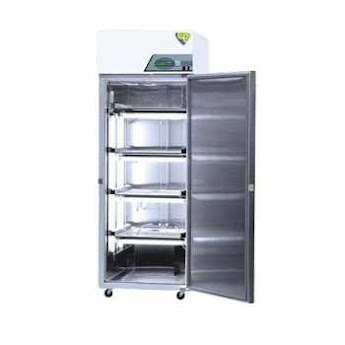
4. Laboratory Refrigerators and Freezers
Some samples, reagents, and laboratory materials require controlled storage temperatures. Laboratory refrigerators and freezers help maintain appropriate storage conditions and protect the quality of temperature-sensitive materials.
5. Analytical and Testing Instruments
Analytical instruments support different testing procedures, including the examination of biological samples and other laboratory materials. The correct instrument depends on the tests being performed and the laboratory's technical requirements.
Why Is Quality Laboratory Equipment Important?
Reliable equipment helps laboratories maintain consistent procedures and manage their daily workload. Although every instrument has a different function, quality and suitability are important considerations across all categories.
Key benefits include:
Improved testing accuracy: Suitable instruments help laboratory professionals perform procedures according to established methods.
Better workflow: Appropriate equipment can reduce unnecessary manual work and improve the organisation of laboratory tasks.
Reliable sample handling: Correct equipment helps laboratories process and store samples under suitable conditions.
Improved safety: Equipment with appropriate safety features supports a more controlled working environment.
Long-term value: Durable products with suitable maintenance support can help reduce avoidable replacement and repair costs.
It is important to remember that equipment quality alone does not guarantee accurate results. Proper calibration, maintenance, staff training, and standard operating procedures are equally important.
How to Choose the Right Medical Laboratory Equipment
Buying laboratory equipment requires careful planning. Instead of choosing products based only on price, buyers should consider their practical requirements and long-term operating needs.
Important Factors to Consider
Identify laboratory requirements: Determine which tests and procedures the laboratory performs before selecting any instrument.
Check product specifications: Review capacity, operating conditions, technical features, and compatibility with existing systems.
Consider build quality: Look for products designed for the intended working environment and expected frequency of use.
Review safety standards: Check applicable regulatory requirements, safety features, and relevant product documentation.
Evaluate maintenance support: Understand the availability of spare parts, servicing, warranties, and technical assistance.
Compare the total cost: Consider the purchase price alongside installation, consumables, maintenance, and operating expenses.
Choose a suitable supplier: Work with a supplier that can provide clear product information and help you identify equipment appropriate for your application.
Following these steps can make the purchasing process more organised and help laboratories avoid unnecessary expenses.
Esporti-Impex: Supporting Medical Equipment Requirements
Esporti-Impex Finding suitable medical and laboratory products is an important part of setting up or upgrading a healthcare facility. offers a range of medical equipment products for buyers looking to explore options for their institutional requirements.
Hospitals, laboratories, diagnostic centres, and other healthcare organisations should review product specifications carefully before making a purchase. Comparing available options helps buyers select equipment that fits their intended use, operational capacity, and budget.
Whether a facility is planning a new laboratory or replacing existing instruments, having access to relevant product information can make decision-making easier. Buyers should also confirm delivery arrangements, warranty terms, installation requirements, and after-sales support where applicable.
Common Mistakes to Avoid When Buying Laboratory Equipment
A few simple precautions can help buyers make better purchasing decisions.
Choosing equipment without understanding its intended application.
Focusing only on the initial price instead of the total cost of ownership.
Ignoring maintenance, calibration, and servicing requirements.
Purchasing instruments that do not match the laboratory's workload.
Overlooking staff training and equipment operating instructions.
Failing to check product documentation and applicable compliance requirements.
Avoiding these mistakes can support better equipment management and more efficient laboratory operations.
Frequently Asked Questions (FAQ)
1. What is medical laboratory equipment used for?
Medical laboratory equipment is used to prepare, examine, test, and analyse samples. It supports diagnostic procedures, medical research, and routine laboratory activities.
2. Which equipment is commonly required in a medical laboratory?
Common examples include microscopes, centrifuges, autoclaves, laboratory refrigerators, freezers, and specialised analytical instruments. The exact requirements depend on the laboratory's services.
3. How can I select the right laboratory equipment?
Start by identifying your testing requirements, then compare specifications, quality, safety features, maintenance needs, warranty conditions, and overall cost.
4. Why is equipment maintenance important?
Regular maintenance helps equipment operate as intended, supports dependable performance, and may help identify problems before they interrupt laboratory work. Calibration should be performed according to applicable requirements and manufacturer recommendations.
5. Who needs medical laboratory equipment?
Hospitals, diagnostic laboratories, pathology centres, medical colleges, research institutions, and other healthcare facilities may require laboratory equipment for their specific activities.
Conclusion
Medical Laboratory Equipment is an essential part of modern healthcare because it supports sample processing, diagnostic testing, research, and laboratory safety. Selecting the right instruments requires attention to quality, functionality, technical specifications, maintenance, and budget. By understanding their requirements and comparing suitable products, healthcare organisations can make practical purchasing decisions. Esporti-Impex is one option for buyers exploring medical equipment for their facilities, while careful product evaluation helps ensure that the selected equipment meets the laboratory's actual needs.

Comments
Post a Comment